age well
Laser resurfacing
Laser resurfacing for more radiant glow.
Patients often come in asking for a specific laser, like Halo or FX. At CSLC, we start with your skin and your goals. We tailor resurfacing to the right depth, intensity, and downtime for you, then refine results with precise technique and careful aftercare. When appropriate, we may add PRP/PRF topically or by injection to support healing and skin quality.
The goal? Brighter, smoother, healthier-looking skin—often after a single treatment, and even better over time.
Consults are always complimentary.
What can laser resurfacing improve?
Laser resurfacing is designed to refresh skin quality and correct visible signs of sun damage and aging. Because every face and skin type is different, we’ll recommend the level of resurfacing that fits your goals and downtime.
Depending on the level of treatment, it can help improve:
Technique matters more than the device name.
Many patients come in asking for a specific laser brand. It’s understandable—those names are everywhere. But the technology is only one piece of the result.
That’s why two people can get the “same laser” and have very different outcomes. Our focus is not the logo on the device—it’s the plan behind it, and the natural-looking result you take home.
At CSLC, outcomes come from how the treatment is planned and performed:
- The right modality for your skin type and concerns
- The right depth and density (how aggressive vs. conservative)
- Customized zones—because eyes, mouth, cheeks, and neck don’t respond the same way
- Precise technique and heat management to avoid over-treatment
- Pre-conditioning and aftercare that supports healing and protects results
- When appropriate, regenerative support like PRP/PRF to enhance recovery and skin quality
What is laser resurfacing?
Laser resurfacing uses laser energy to reduce the appearance of wrinkles and skin irregularities. Laser resurfacing (also referred to as lasabrasion, laser peel, or laser vaporization) can be done with an:
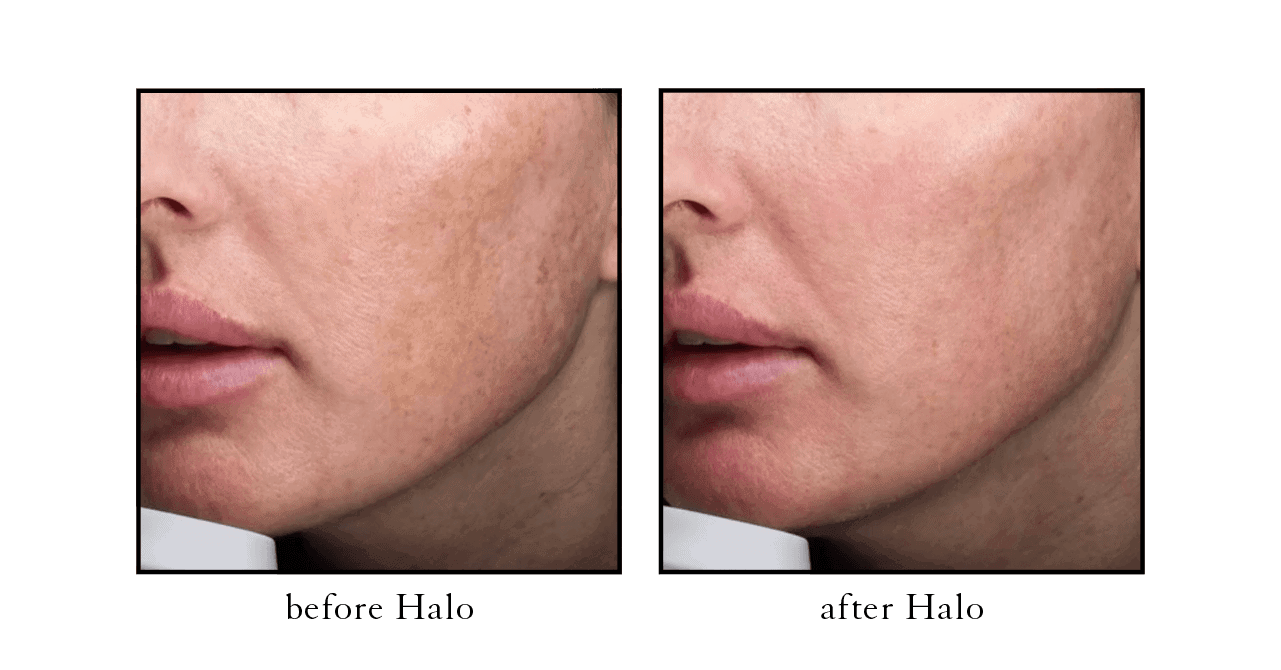
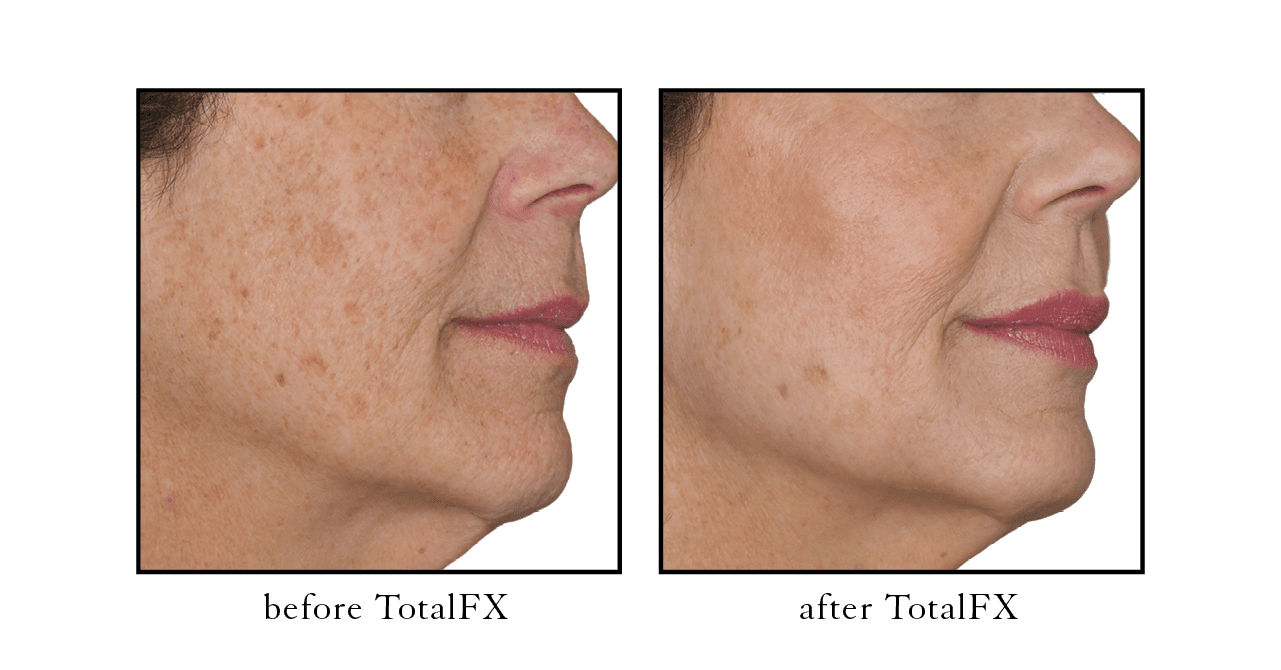
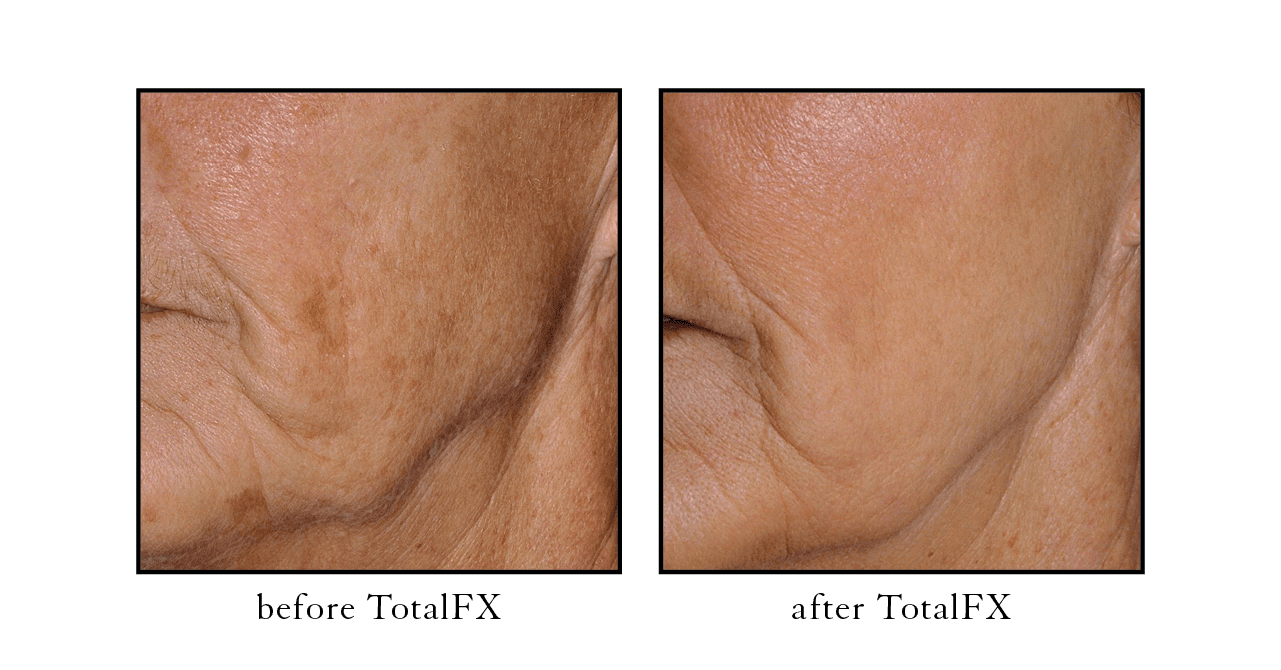
1. Hybrid or ablative lasers (Halo, fractionated CO2 and FX), also known as a “wounding laser,” removes the epidermis (the thin outer layer of skin) while heating the dermis (underlying skin). These “wounds” then stimulate the growth of brand new skin cells and collagen fibers, smoothing and tightening the skin.
2. Nonablative laser (Moxi, ResurFX). A nonablative laser stimulates collagen growth without wounding the patient’s skin. Nonablative lasers are non-invasive and require only a day of recovery time when compared to an ablative laser, but often require more than one treatment for best results.
Quick Facts: Pros and Cons
✔ Pros
- See visible results in just one week and continued improvement for 3-6 months
- Improve pigmentation, skin tone, and texture
- Reduce the appearance of wrinkles, scars, and folds
- Produce new collagen and elastin in the treatment area
- Firm and lift the skin
✗ Cons
- 4-7 days of downtime
- Three months for best results
- Dry skin for one month
- May aggravate melasma
Is Halo better than Fraxel? Should I do an FX treatment?
Patients often ask these questions. The honest answer is that the best laser depends on your skin, your goals, and how the treatment is performed.
The most important part is this: most modern resurfacing lasers have a wide range of settings. A treatment can be performed conservatively for glow and texture, or more intensively for deeper correction. That’s why one patient may love a Halo or FX treatment—and another may feel it wasn’t the right fit for what they wanted.
At CSLC, we don't chase a device name. We choose the right category of resurfacing, then tailor the settings and plan to create the most natural, refined result for your skin.
Two people can have very different experiences with the same device because results are influenced by:
- The treatment depth and density
- The areas treated (eyes and mouth often need a different approach)
- How aggressively heat is delivered
- Pre-conditioning and aftercare
- The provider’s judgment and technique

Jette, RN | Aesthetic Lead
How does laser resurfacing with Halo and FX work?
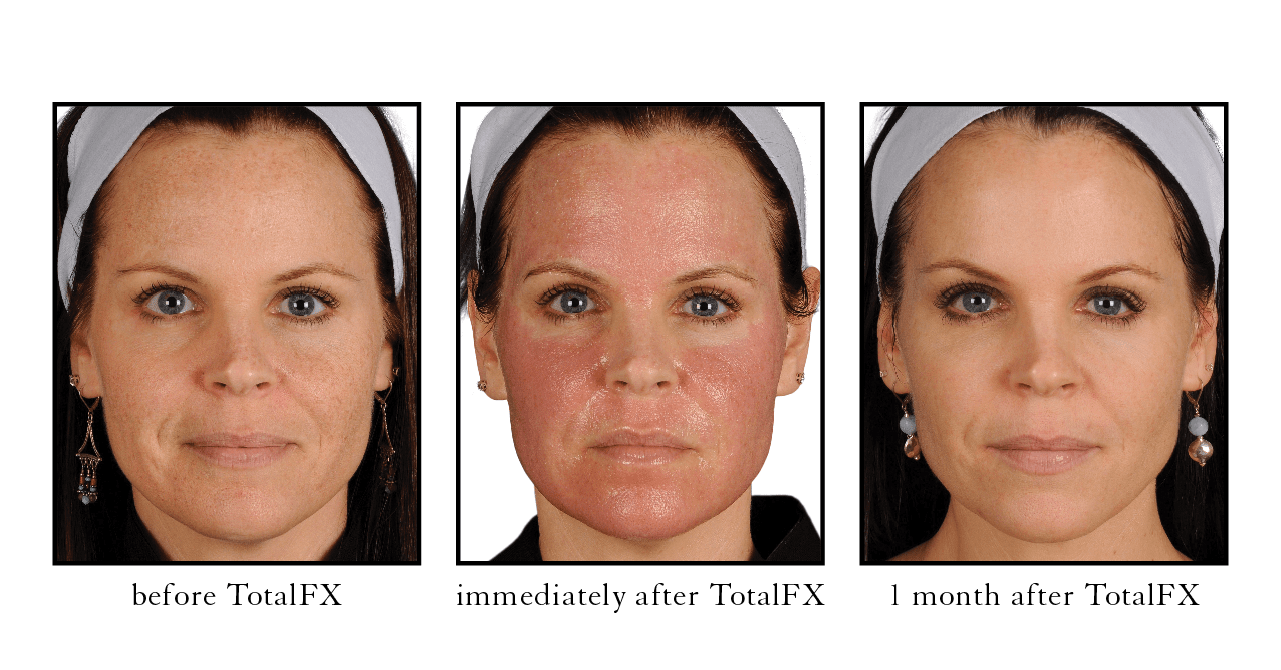
TotalFX and Halo laser resurfacing are both powerful, two-phase treatments that deliver dramatic improvements in skin tone, texture, and elasticity by targeting both the surface and deeper layers of the skin.
Step 1: Preparation & Comfort
Your treatment begins with the application of a topical numbing cream to ensure maximum comfort. Once the area is fully numb, your CSLC provider uses the advanced fractional CO₂ laser to precisely treat the skin—typically focusing on the face, neck, chest, or hands. The laser session itself lasts approximately 45–60 minutes, depending on the size and number of areas treated. Many patients opt to use Pronox, an in office laughing gas, for enhanced comfort and relaxation.
Step 2: Recovery & Regeneration with PRF
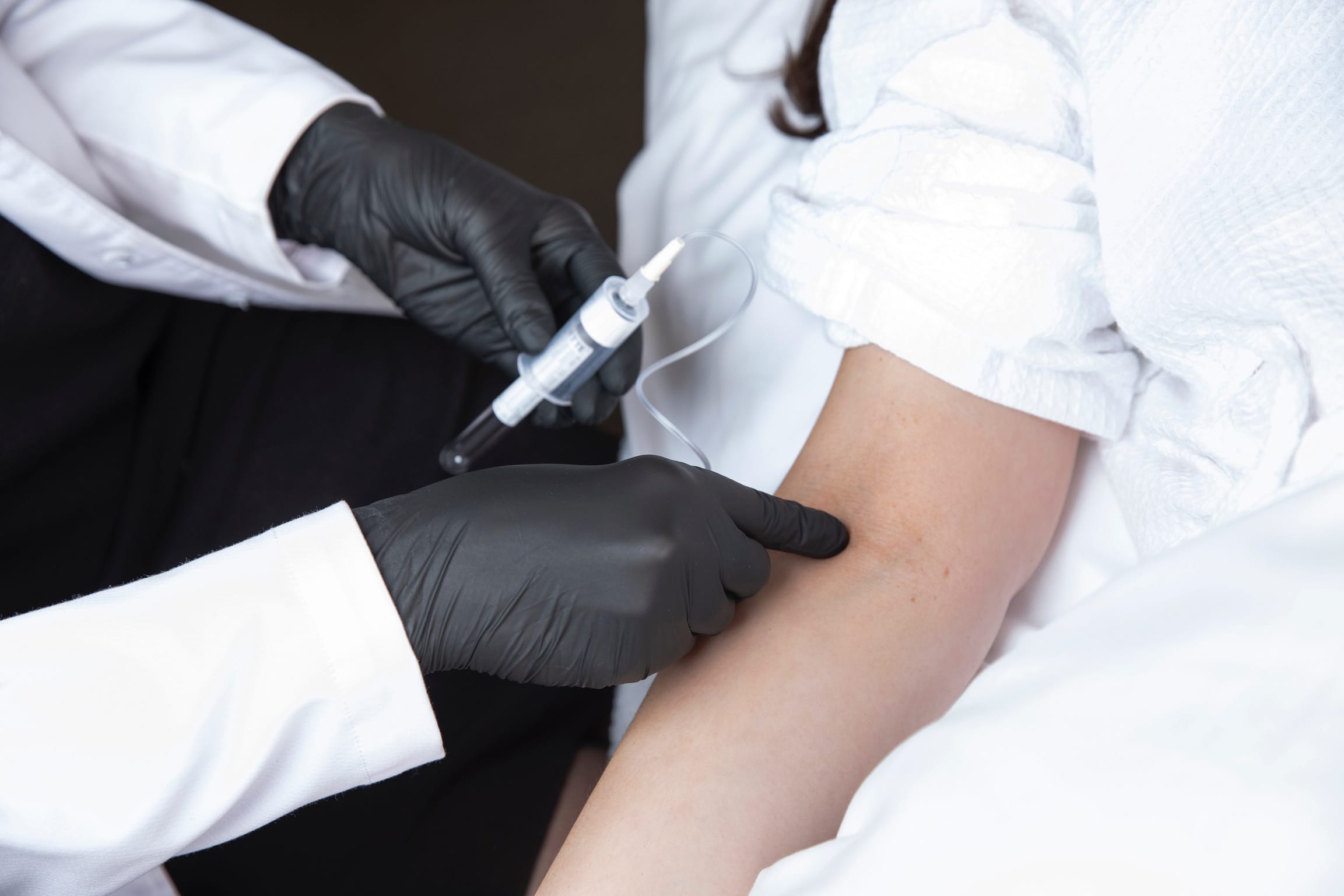
Immediately following the laser treatment, many patients opt to enhance their treatment with topical platelet-rich fibrin (PRF). PRF, derived from your own blood, accelerates healing, enhances results, and significantly reduces post-treatment inflammation. With this regenerative finish, patients report less redness and faster recovery.
What to Expect Post-Treatment
Most patients experience a sunburn-like sensation with redness and light weeping for 5–7 days. During this period, your skin is healing and regenerating at a deep level. One week after your laser session, we invite you back for a complimentary hydration treatment at any CSLC location to support continued healing and enhance your glow.
PRP/PRF with laser resurfacing: supporting healing and results.
In select patients, we may recommend pairing laser resurfacing with PRP (platelet-rich plasma) or PRF (platelet-rich fibrin) to support recovery and enhance overall skin quality.
In appropriate candidates, PRP/PRF can be a helpful complement to resurfacing—either applied topically to support recovery or injected in targeted areas to support collagen and tissue quality. We’ll recommend it only when it fits your plan.
Topical PRF after resurfacing
After certain resurfacing treatments, PRF can be applied topically to help support the healing environment. Many patients choose this option because it can complement recovery and may improve how quickly the skin looks calm, smooth, and refreshed.
PRP/PRF injections for targeted concerns
For patients treating deeper lines, texture issues, or acne scarring, PRP or PRF may also be used as injections in targeted areas—often in the same treatment plan as resurfacing. This approach can help support collagen and tissue quality in areas where additional regenerative support may be beneficial.
Why we don’t do it for everyone
PRP/PRF is not necessary for every resurfacing patient. We recommend it when it fits your goals, your skin, and the intensity of resurfacing planned. If it’s a good match, we’ll explain exactly how we use it (topical vs. injection), what to expect, and how it supports your overall result.
Laser Resurfacing Before and After Photos at
Cosmetic Skin & Laser Center